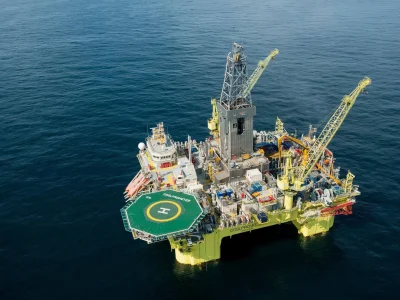
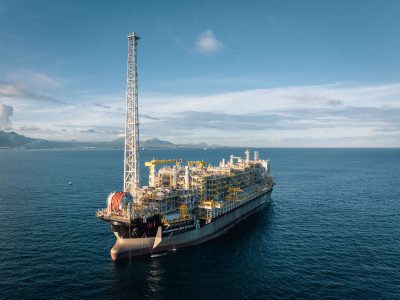
Here is a comprehensive article on the Top 20 Highest-Paying Jobs in the Oil & Gas Industry, organised by role category, with typical salary ranges (mainly U.S. or global-equivalent) and a summary of what makes each role high-value. These salaries depend heavily on region, experience level, offshore vs onshore, bonuses/rotations, etc.
Why Oil & Gas Pays High
Before the job-list, a few context points:
- The oil & gas industry (upstream, midstream, downstream) involves high capital-intensity projects, risky operations (drilling, deep-sea, remote locations), and major regulatory/safety/environmental constraints.
- When a person can impact production volumes, reserves, cost of wells, safety incidents or infrastructure integrity, their value is high — hence many “top” jobs centre on those levers.
- According to a recent survey, roles like drilling supervisors in some regions fetch ~$300,000 annual for permanent workers. (Airswift)
- Compensation also includes bonuses, overtime (especially on remote/offshore rotations), expatriate allowances, etc.
- Note: These figures are mostly U.S./global benchmarks — local salaries (e.g., Singapore, Malaysia) may be different.
Top 20 Jobs
Here are the 20 roles, grouped roughly by category. The salary ranges given are approximate and intended to illustrate relative order rather than precise local pay.
1. Chief Executive / Senior Executive (Oil & Gas Company)
- Role: The top-executive (CEO, President) of an oil & gas operator or large service company. Strategic decisions, P&L responsibility, investor/stakeholder relations.
- Salary: Median in oil & gas sector > US$208,000 (for “chief executives” category) per one survey. (Commodity.com) For major global companies, total compensation can be millions.
- Why high: The buck stops with risk, reserves, major capital projects.
2. Architectural & Engineering Manager (Oil & Gas)
- Role: Oversee engineering teams – drilling, completion, facilities, pipelines, etc. Manage large projects.
- Salary: Median ~US$191,000 in oil & gas sector. (Commodity.com)
- Why high: Engineering decisions drive cost, schedule, safety.
3. Legal Counsel / Senior Oil & Gas Lawyer
- Role: Handle contracts, regulatory compliance, mergers/acquisitions, litigation for oil & gas companies.
- Salary: Median ~US$176,650 in the oil & gas sector per one source. (Commodity.com)
- Why high: The legal stakes in upstream/midstream are large (leases, licences, environmental risk, cross-border agreements).
4. Drilling Engineer
- Role: Designs and oversees well programmes, selects drilling methods, monitors drilling cost/time, deals with HP/HT wells, offshore vs onshore.
- Salary: Entry ~$90,000; senior > US$200,000 in many cases. (Progressive)
- Why high: Drilling is one of the most expensive operations; time lost is costly, risk is high.
5. Reservoir Engineer
- Role: Understanding subsurface reservoirs, modelling depletion, managing recovery techniques, maximising extraction.
- Salary: Ranges ~$85,000 to ~$190,000 per survey. (MoneyConnexion)
- Why high: Value lies in how much oil/gas can be extracted and at what cost.
6. Petroleum Engineer
- Role: Broad term covering engineers working on extraction, production design, well optimisation.
- Salary: One source gives median ~$145,720 for petroleum engineers. (Progressive)
- Why high: Directly tied to production output and cost efficiency.
7. Geoscientist / Petroleum Geologist / Geophysicist
- Role: Identify where oil/gas reserves are, interpret seismic/log data, evaluate promising prospects, reduce exploration risk.
- Salary: For geoscientists: median ~$153,740 in oil & gas per one survey. (Commodity.com)
- Why high: Finding the reserves = the asset; the risk in exploration is large.
8. Offshore Installation Manager (OIM) / Rig Manager / Drilling Consultant
- Role: On large offshore platforms or rigs, manages operations, safety, schedule, crews.
- Salary: Range ~$150,000 to >US$200,000+ or more in specialist roles. (Cuvinstek)
- Why high: The environment is remote/high-risk, operations are costly, rotations may be long.
9. Pipeline Engineer / Pipeline Project Manager
- Role: Designing, building, managing pipelines and transport infrastructure for oil & gas.
- Salary: ~$70,000 to ~$160,000+ based on one list. (MoneyConnexion)
- Why high: Pipeline infrastructure is capital intensive and critical to supply chain.
10. HSE (Health, Safety & Environment) Manager / Director
- Role: Overseeing major safety programmes, regulatory compliance, major incident prevention, managing risk.
- Salary: In some regions HSE manager pay ~US$186,000 (Australasia example) as per survey. (Airswift)
- Why high: Failures can cause catastrophic loss (human, environmental, financial).
11. Operations Manager / General Manager – Upstream/Midstream/Downstream
- Role: Oversee operations (production, processing, maintenance), ensure uptime, manage teams and cost.
- Salary: Median ~$138,790 per one survey for “General and Operations Managers” in oil & gas. (KSJB AM 600)
- Why high: Operations drive revenue and require managing complex assets.
12. Instrument & Control Engineer / Automation Engineer
- Role: Responsible for instrumentation/systems controlling major oil & gas facilities (e.g., drilling, refineries).
- Salary: Often listed among top paying specialist engineering roles; e.g., ~US$111,028 for instrumentation engineer in energy per one report. (EKT Interactive)
- Why high: Technical specialization plus risk environment raises value.
13. Project Manager – Major Capital Projects
- Role: Manage large-scale projects (e.g., FPSO installation, refinery expansion, pipeline mega-projects).
- Salary: In some regions ~$190,000+ per annum for project managers in oil & gas. (Airswift)
- Why high: Big budgets, multi-year timelines, high risk.
14. Sales Manager / Commercial Manager – Oil & Gas Products/Services
- Role: Sales/contracting for oil & gas firms (equipment, services, chemicals), managing key accounts.
- Salary: Median ~$151,420 in oil & gas sector per one survey. (Commodity.com)
- Why high: Commercial deals can be large; value-add is significant.
15. Construction Manager / Superintendent – Oil & Gas Projects
- Role: Oversee construction site (onshore/offshore) for oil & gas facilities, ensure schedule, safety, cost.
- Salary: In one survey: ~$107,000+ for construction manager in energy. (EKT Interactive)
- Why high: Construction risk, remote locations, large budgets.
16. Refinery/Processing Plant Manager / Operator
- Role: Manage refinery processes, ensure throughput, optimise costs, maintenance.
- Salary: In one list: operator roles ~$50,000-120,000 but for manager/lead much higher. (MoneyConnexion)
- Why high: Downstream operations drive margin; stable but complex.
17. Completions Engineer
- Role: After well is drilled, completions engineer designs and implements the equipment to bring well to production (e.g., fracturing, casing, production tubing).
- Salary: ~$75,000-180,000 per one list. (MoneyConnexion)
- Why high: Linking drilling to production; big technical scope, influence on performance.
18. Well Testing / Well Intervention Engineer
- Role: Carry out tests on drilled wells, perform interventions, monitor production performance, enhance recovery.
- Salary: ~$70,000-150,000 in many cases per survey. (MoneyConnexion)
- Why high: Technical risk, production upside.
19. Land/Lease Acquisition Specialist / Asset – Upstream
- Role: In upstream, obtaining leases, negotiating rights, managing land acquisitions.
- Salary: In one list: ~$45,000-107,500 (US) depending on experience. (Kamerpower)
- Why high: Upstream asset rights are foundational; but this role often pays less than the top technical/executive roles.
20. Maintenance / Reliability Engineer – Oil & Gas Facilities
- Role: Ensure reliability and availability of complex oil & gas assets, preventive/predictive maintenance programs in harsh environments (offshore, subsea).
- Salary: Can approach the higher ranges of engineering specialist roles (though detailed numbers vary). See maintenance and uptime are highly valued.
- Why high: Downtime is extremely costly; reliability improves profit margins and safety.
Trends & Key Observations
- Experience and location matter: Many of these high salaries are for professionals with 5-10+ years experience, often working offshore, in remote locations, or on rotation (e.g., 28/14 days).
- Upstream tends to pay more: Several sources note upstream roles (exploration, new wells) pay more than midstream/downstream given higher risk and capital. (Reddit)
- Bonuses, rotations, expatriate allowances boost pay: Base salary is only part of the story; extra pay comes from per-diem, hazard pay, overtime, rotations, stock/bonus.
- Technical specialization yields premium pay: Roles requiring deep technical expertise (reservoir, drilling, geoscience) are among the highest paying.
- Operations & safety carry weight: Because of high cost of failures, roles like HSE manager, operations manager, the “hands-on front line” roles carry significant compensation.
- Downstream vs Upstream differences: Downstream (refining, processing) may offer more stable work and good pay, but upstream (exploration, drilling) often has the highest pay ceilings.
- Global variation: The exact pay levels vary widely by region (Middle East, North America, West Africa, Asia) and local cost of living/tax/housing. E.g., jobs in Australasia: drilling supervisor ~$300,000 per annum for permanent workers. (Airswift)
- Role count vs availability: The very top paying roles (executives, rare technical leads) are small in number. Many high paying roles have fewer vacancies and higher competition.
What It Takes to Get There
- Education: Many roles require a bachelor’s (or higher) in engineering (petroleum, mechanical, chemical), geoscience, or related fields.
- Certifications / training: For offshore/rig work, certifications like BOSIET, IWCF (well control), safety training are often required. (Progressive)
- Field experience: For highest pay, field experience (especially offshore/on-site) is often essential.
- Rotation readiness / remote work: Many top roles involve remote locations or offshore rotations (2-4 weeks on / time off). That often brings higher pay.
- Technical competence + leadership: As you move to senior/higher pay roles, leadership, team management, risk management become critical.
- Flexibility & willingness for challenge: Some roles involve high risk, unusual hours, remote living; higher pay usually compensates that.
- Stay current: Oil & gas is evolving (digitalisation, automation, ESG pressures). Engineers and specialists who adapt command better pay.
Final Thoughts
If you’re aiming for a high-pay career in oil & gas, the roles listed above represent some of the top opportunities. But it’s not just about salary — you’ll want to weigh factors like job stability, location/roster, travel/remote work, safety implications, and how the role fits your career/life goals.